- calendar_today April 22, 2026
Holistic Development in Regional Schools: Success Stories
When you think of education, what comes to mind? For many, it’s simply about grades and test scores. But what if I told you that in some regional schools, a different narrative is unfolding? Here, educators are inspiring students to thrive not only academically but emotionally and socially through holistic development programs. You’re about to discover some remarkable stories of transformation that showcase how these initiatives are reshaping the future of education in underserved communities.
Understanding Holistic Development in Education
Holistic development in education goes beyond textbooks and classrooms. It focuses on nurturing the whole child—intellectually, socially, emotionally, and physically. This approach is particularly vital in regional schools, where resources may be limited. Programs that emphasize holistic development aim to innovate educational practices, integrate life skills, and foster community engagement.
The Need for Holistic Approaches
Imagine students in rural areas grappling with challenges that extend far beyond academics. Limited access to mental health resources, basic healthcare, and extracurricular activities can stifle their potential. Research shows that holistic development can lead to improved student engagement and lower dropout rates. This is supported by a study from the National Education Association, which found that schools prioritizing holistic practices saw a 20% increase in student retention. These statistics emphasize the urgency and effectiveness of this approach in regional settings.
Success Story #1: Community Collaboration in Western Australia
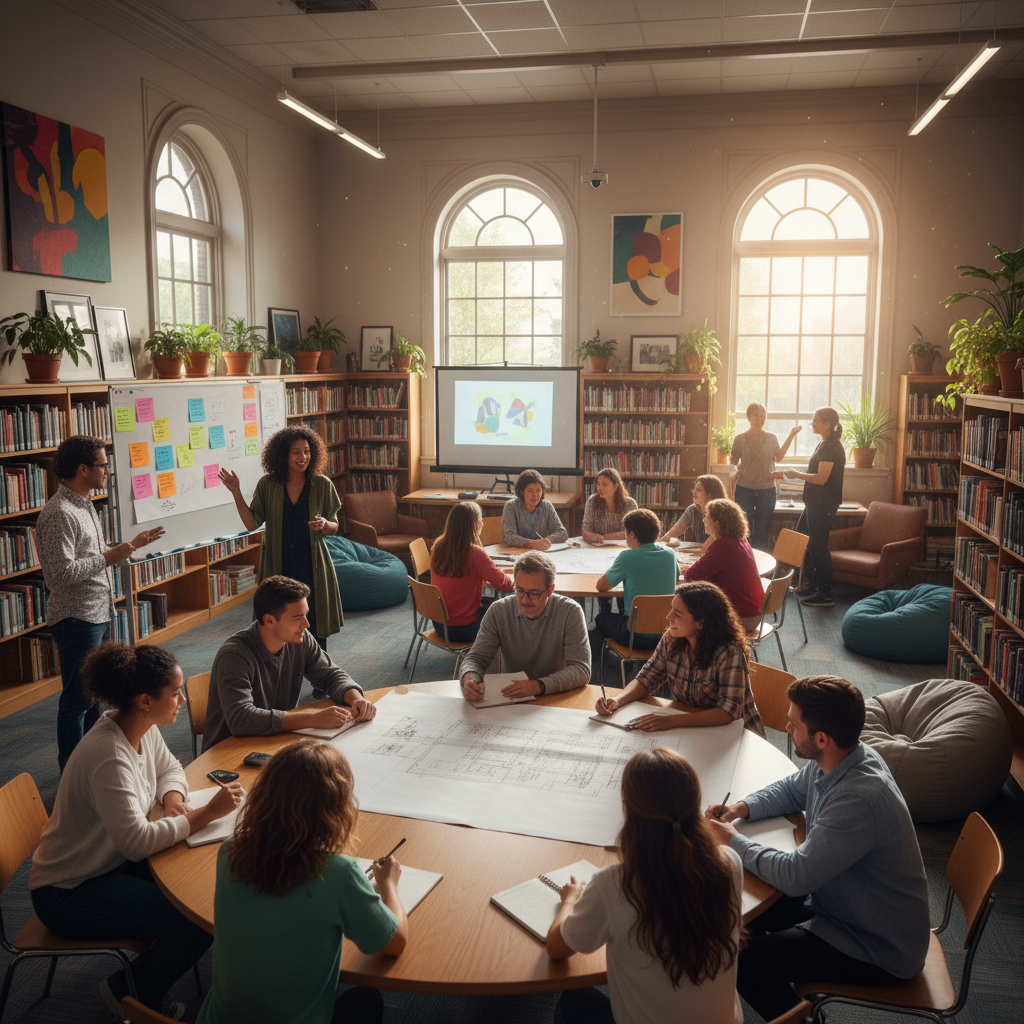
One shining example comes from a school in Western Australia that transformed its educational model through community collaboration. This school adopted a program that involved parents and local businesses in student learning. Weekly workshops focused on life skills, mental wellness, and career exposure. As a result, attendance rates soared by 30%, and parents became more engaged in their children’s education.
Building Skills for the Future
Students participated in hands-on projects, like community gardens and partnerships with local chefs to learn about nutrition. The enthusiasm didn’t just enhance their skills; it also created a vibrant school culture. One student shared that he now feels more connected to his community and enjoys school more than ever.
Success Story #2: Integrating Arts and Sports in New Zealand
In a town nestled among the lush landscapes of New Zealand, another regional school has struck gold by integrating arts and sports into its curriculum. Their aim was simple yet profound: engage students’ creativity and physical well-being to enhance their overall school experience. The results? A staggering decrease in disciplinary issues and an increase in academic performance.
The Power of Participation
Through drama productions, art exhibitions, and sports competitions, students found new ways to express themselves. A senior who had been quiet and withdrawn through most of her early education blossomed when she took up drama. She now leads school assemblies, encouraging her peers to engage in the arts. This school is a prime example of how fostering creativity can lead to genuine, holistic personal growth.
Success Story #3: Technology and Emotional Wellness in Rural Canada
A third story hails from a rural school in Canada, where educators faced ongoing challenges with students’ emotional wellness. They introduced a program that combined technology with mental health awareness. By using apps designed for mindfulness and emotional tracking, students learned to recognize and manage their feelings better.
Transforming Mental Wellness
The initiative led to a significant shift in the school environment, where students began to openly discuss their mental health struggles and lean on one another for support. Teachers reported that the classroom atmosphere improved, leading to a more focused and motivated group of students. One graduate even noted that the self-awareness gained through this program propelled her to pursue a career in psychology, wishing to support future generations.
Challenges and Limitations in Implementing Holistic Development Programs
Despite these success stories, implementing holistic development programs in regional schools isn’t without challenges. Funding remains a perennial issue. Many schools struggle to secure the necessary resources or staff experienced in holistic education practices.
The Role of Stakeholder Engagement
One of the most effective ways to address these limitations is through active stakeholder engagement. Administrators, teachers, parents, and local businesses need to come together to advocate for funding and resources. Initiatives that have succeeded often leverage community support, drawing on local expertise and financial backing to enrich their programs. Advocacy groups also play a role in pushing for broader policy changes that support holistic education.
Best Practices for Facilitating Holistic Development
As you consider implementing or supporting holistic development initiatives in regional schools, keep in mind some best practices. First, prioritize training for educators in holistic methods. Ongoing professional development is essential for maintaining program effectiveness.
Creating an Inclusive Environment
In addition, foster an inclusive environment that encourages participation from all students. Engage families by hosting community events where they can learn about the programs and how to contribute. Remember, holistic development thrives on collaboration, so keeping lines of communication open and transparent is key.
The Future of Education in Regional Schools
As you reflect on these success stories, consider the potential for holistic programs to revolutionize education in regional schools. These initiatives not only enhance academic performance but also build resilience and life skills in students, preparing them for a rapidly changing world. The examples from Western Australia, New Zealand, and Canada illustrate that with the right support and community involvement, transformation is not just possible—it’s happening.
Conclusion
Holistic development in regional schools is not a passing trend; it’s a fundamental shift in how we think about education. As communities band together to nurture the whole child, students flourish, both in and out of the classroom. Imagine the possibilities if more schools adopted similar models! As you engage with or support these programs, ponder this: how can you contribute to fostering holistic development in your local educational landscape?