- calendar_today June 11, 2026
MINNEAPOLIS, Minnesota – Major efforts to restore the cultural and ecological heritage of the region are underway as the much-anticipated Owámniyomni restoration project prepares to break ground at St. Anthony Falls. Led by the Dakota nonprofit Owámniyomni Okhódayapi, this initiative aims to return a five-acre segment along the Mississippi River to its pre-colonization state, reconnecting Minnesotans with an essential piece of Dakota ancestral history and environmental stewardship.
Restoring Land and Legacy at St. Anthony Falls
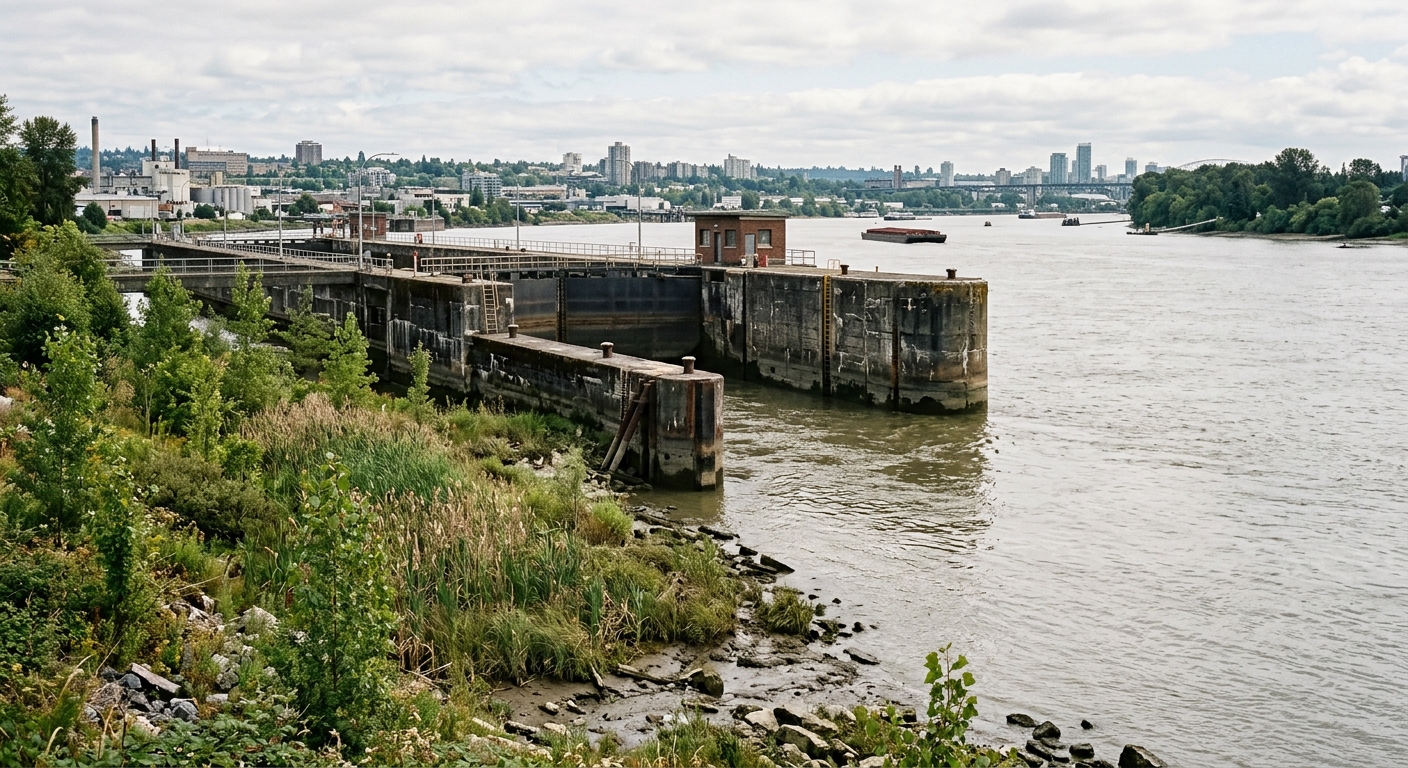
The owamniyomni restoration, located near the Upper Lock along the Mississippi River’s Minneapolis riverfront, is more than a land restoration effort. For the Dakota, Owámniyomni—known in English as St. Anthony Falls—holds profound historical and spiritual meaning. The project seeks to honor this sacred space’s natural beauty while reviving its lost cultural resonance, an endeavor led by Dakota communities determined to reclaim their narrative along Minnesota’s waterways.
Dakota Leadership and Community Engagement
Uniquely a dakota led project, the restoration serves as a model for inclusive stewardship of historic sites. Local Dakota leaders are actively overseeing every stage, from planning to public outreach. Community members and local organizations are encouraged to participate in interpretive tours and programming at the Owámniyomni Engagement Space, keeping the mission visible and accessible even during site closures.
Progressive Phased Construction and Ecological Renewal
Construction is set to begin in May 2026 and will unfold in sequential stages. Initial efforts focus on land restoration, involving site preparation, removal of outdated infrastructure, and native species planting sourced from Dakota Tribal lands. This crucial phase spans 2026 to 2027. A subsequent stage will address comprehensive water and shoreline renewal in 2028, aligning with broader environmental healing strategies for the Mississippi River corridor.
Significant Funding and Support from the Mellon Foundation
Accelerating the project’s momentum is a substantial $4.7 million Mellon Foundation grant. The funding underscores the importance of revitalizing sacred places and protecting tribal heritage. In tandem, the nonprofit has attracted broad support through a robust community fundraising campaign, already securing $40.5 million from public and private contributors toward a $60 million goal. This financial foundation ensures that the restoration can proceed on schedule and at scale, benefitting both Dakota descendants and the wider Minnesota public.
A Vision for Lasting Stewardship
By late 2026, Owámniyomni Okhódayapi is expected to assume ownership of the federal tract, establishing an ongoing stewardship model. This transfer will solidify the Dakota community’s role in guiding the preservation and interpretation of the St. Anthony Falls site. Initiatives emphasize sustainable management, long-term ecological care, and renewed public access, setting a national example for indigenous-led conservation projects across riverfront landscapes.
Public Engagement and Educational Opportunities
During construction, the project site will remain closed until spring 2027, but the Owámniyomni Engagement Space ensures continuous educational outreach. Locals and visitors can participate in interpretive tours, workshops, and programming to learn about the site’s significance, Mississippi River ecology, and Dakota traditions. Activities will highlight the connections between land restoration, tribal heritage, and the ongoing owamniyomni restoration effort on the Minneapolis riverfront.
Looking Ahead to a Revitalized Riverfront
As the Owámniyomni restoration advances, it strengthens ties between Minnesota’s diverse communities and a landmark with deep indigenous roots. By merging native species planting with innovative environmental practices, and bolstering support through community fundraising, the project stands to redefine how historic riverfront landscapes are honored and preserved. For Minnesota, the transformative vision of the Dakota-led effort signals a powerful step toward environmental healing and cultural renewal on the state’s most iconic waterway.