- calendar_today August 11, 2025
With the Federal Reserve leaving interest rates unchanged, Minnesota consumers and businesses consider the possible effects on borrowing, consumer spending, and economic expansion in the future.
Minnesota’s economy is responding to the Federal Reserve’s recent decision to halt interest rate reductions, a move that has left consumers, homeowners, and businesses throughout the state assessing the economic picture. As policymakers have suggested two potential cuts to rates later this year, the economic forecast is unclear for Twin Cities and beyond industries and residents.
The Federal Reserve’s move comes as the country’s economy continues to struggle with inflation issues and slowing growth, sparking concerns about how increased borrowing costs will define Minnesota’s economic future.
Impact on Minnesota’s Key Industries
The Minnesota economy is based on a combination of manufacturing, healthcare, and agriculture—all highly sensitive to interest rate policy. The delay in cutting rates will keep financing costs high, influencing business and consumer actions.
1. Manufacturing and Trade
Minnesota’s manufacturing industry—home to such titans as medical devices, electronics, and agriculture equipment—depends on credit to invest in new technologies and expand facilities. As higher borrowing costs endure, lots of firms postpone capital spending.
Manufacturers in cities such as Minneapolis, St. Paul, and Rochester are closely watching the Federal Reserve’s next steps. Some business leaders fear that if interest rates stay high for too long, it will decrease investment and slow job growth.
2. Agriculture and Rural Economies
For farmers in Minnesota’s rural areas, the price of borrowing is important for the regulation of the cost of planting, harvesting, and equipment renewal. The holdup in rate reductions implies that farm loans will be costly, putting a strain on small and medium-sized farms financially.
Rural communities such as Mankato and St. Cloud are seeing higher cost of operations, and farmers fear that if interest rate relief is not provided, their margins will continue to decline.
3. Small Businesses
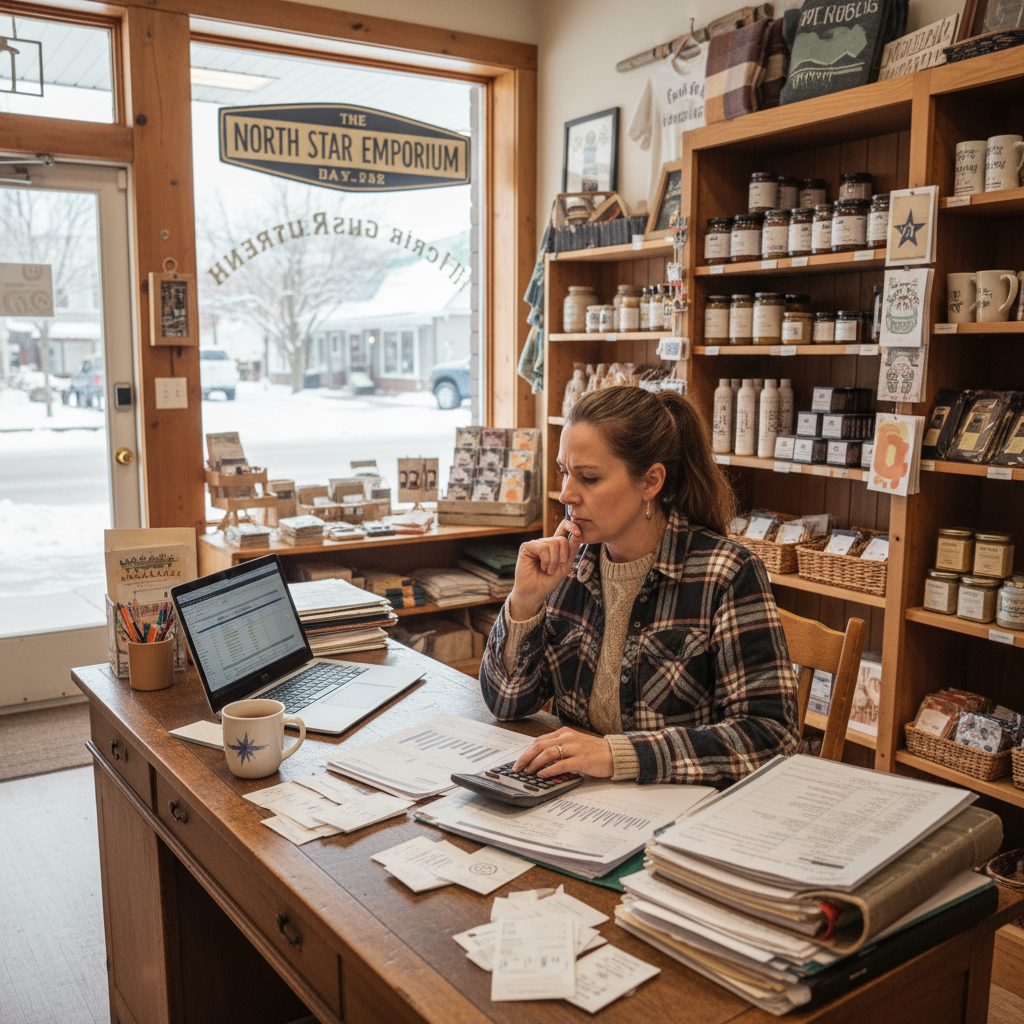
Small business entrepreneurs in Minnesota depend on lines of credit to support daily business and future growth. As interest rates remain high, local retail, hospitality, and services businesses incur higher expenses.
In Bloomington and Duluth, numerous entrepreneurs are revising their plans. A local business owner commented, “The increasing credit costs make it more difficult to invest in new projects, and we are cautious about future growth until rates begin to fall.”
Consumer Spending and Economic Sentiment
Since the Federal Reserve continues to maintain interest rates high, consumer spending—mining driver—is starting to lose steam. Consumers are tightening their belts with the increased rates charged on credit cards, auto loans, and personal loans.
In cities such as Maple Grove and Eden Prairie, small business owners say their customers are increasingly hesitant to part with their cash. Unless cuts in interest rates materialize within a short time, this spending retreat may hurt sectors from retailing to tourism.
State Leaders Respond to the Fed’s Move
Economic leaders across Minnesota are responding to the Federal Reserve’s pause with measured concern. Policymakers acknowledge the need to control inflation but worry about the long-term effects on local economies.
One state economist observed, “While inflation is a concern, sustained high-interest rates could slow job growth and business investment across Minnesota. We’re watching the Federal Reserve’s future decisions closely.”
What’s Next for Minnesota’s Economy?
The Federal Reserve’s signal that two rate reductions are still on the table later this year gives some hope to Minnesota’s businesses and consumers. But a lot will depend on how inflation and economic performance unfold in the coming months.
If rate reductions are implemented, it could lower borrowing costs, boost spending, and give a boost to local economies. In the meantime, Minnesota residents and businesses are waiting in watchful reserve, ready to make strategy shifts as the economic landscape is still to be revealed.