- calendar_today August 22, 2025
Lululemon’s expansion woes are rattling the fashion sector. Find out what Minnesota’s fashion sector is doing in the wake of the brand’s ordeal and what it says about homegrown enterprise.
Introduction
Lululemon, the fast-growing athleisure fashion brand, has struggled to sustain its expansion trajectory. Failure by the company to sell as expected has not only worried investors but also the entire fashion world. Fashion is a developing field in Minnesota, with a robust retail market, and the troubles of Lululemon are of keen interest. As the company is facing economic crisis, inflation, and shifting consumer tastes, the Minnesota fashion industry is watching how these problems can impact local businesses and future growth opportunities.
Why Lululemon’s Struggles Matter to Minnesota
Lululemon’s performance sets off a ripple effect in the larger fashion world, particularly in states like Minnesota, where retailing and fashion are on the upswing. The company’s troubles are a harbinger of the trend that might impact other apparel businesses in the state. Minnesota’s fashion industry with legacy chains as well as emerging designers, is greatly worried about the way these trends might impact their businesses.
1. Impact on Sales in the Retail Sector of Minnesota
Lululemon’s growth problems can cause decline sales in Minnesota’s retail business. Due to inflation, consumers will become more cautious about their spending, and they might start choosing less expensive alternatives, impacting the sales of those stores that sell more expensive fitness and athleisure wear. Consequently, retailers in Minnesota, particularly luxury clothing retailers, might experience the same.
2. Shifting Consumer Behavior
Lululemon’s recent decline also shows the changing consumer preference. Athleisure, though still in vogue, is not growing as rapidly anymore. Minnesota’s fashion scene is also seeing the same, as consumers are becoming increasingly specific on where and how they want to spend their money. It is in seeing this change in consumer trend that retailers and designers in Minnesota can be competitive and viable in the market.
3. Effect on Local Fashion Entrepreneurs
Minnesota has experienced growth in local fashion start-ups and smaller boutique brands with distinctive designs and lower-cost alternatives to the larger competitors like Lululemon. While Lululemon is hurt, smaller local brands can be helped by the move to alternative demand or be afflicted by problems of their own if the retail market declines. The odds for the local fashion enterprises to win are high, but so is the resulting more competitive and untested arena.
The Economic Reasons Behind Lululemon’s Troubles
There have been various economic and industry-related reasons behind Lululemon’s recent troubles, which are resounding throughout the fashion industry and in Minnesota:
1. Rising Inflation and Cost of Living
Rising inflation is pushing consumers away from discretionary products such as luxury athleisure. Though products in Lululemon are good, the cost is also high and could be daunting for price-sensitive consumers. Consumers in Minnesota are feeling the pinch of inflation, an experience that takes the shape of reduced demand for high-end products in the state.
2. Supply Chain Issues
The fashion sector has been hit hard by supply chain issues, resulting in delays in products and production costs. Lululemon is also not spared, and Minnesota retailers can be expected to be facing the same situation sourcing material or filling stores. Supply chain issues can also help lead to the drop in sales in Minnesota’s fashion industry, particularly for retailers that offer designer or imported goods.
3. Redefining Fashion Trends
The other reason Lululemon is struggling is fashion trend dynamics. The athleisure fashion that was so pervasive before is currently being challenged more by other fashion trends and looks. Minneapolis’ fashion scene is undergoing the same thing, as some of the local companies are concentrating on sustainable fashion, retro fashion, or even more traditional fashion. As fashion evolves, naturally, the need for athleisure clothing is not as high as before.
How Minnesota’s Fashion World is Embracing Changes
Minnesota’s fashion world is embracing changes from Lululemon’s challenges by identifying new opportunities and concentrating on expansion in less market-saturated regions.
1. Adopting Sustainability
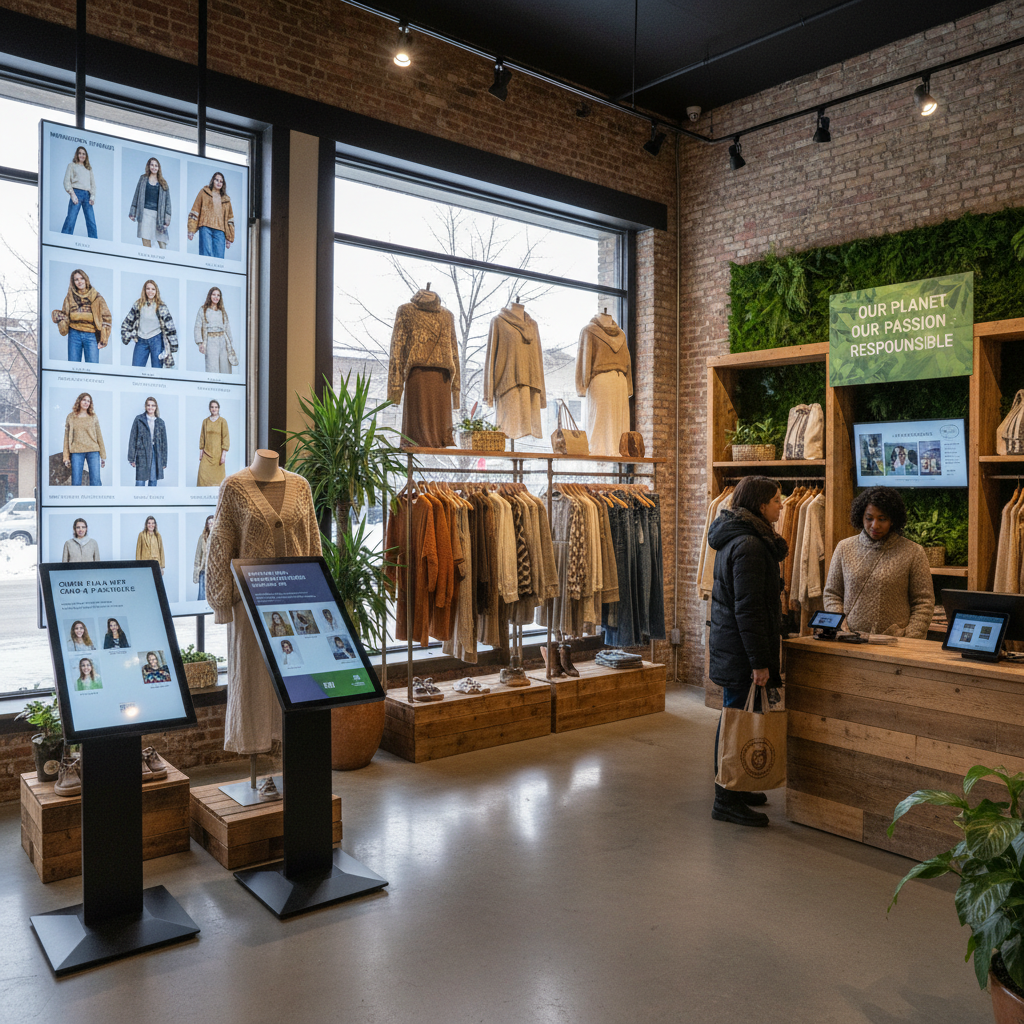
There are some fashion brands that were founded in Minnesota and are paying attention to sustainability, providing green clothing and sustainable business practices. The practice has become trendy with the passage of time, particularly with those consumers who are increasingly going green. To manage the demand, outlets are providing more green products and using environmentally-friendly practices to make their mark in the fashion industry.
2. Avail Local and Distinctive Designs
While Lululemon stumbles, Minnesota’s smaller fashion companies are betting on locally designed, unique fashion. Minnesota consumers are increasingly searching for unique products and shopping from local designers. As the demand for customized, handcrafted, or locally produced products increases, these local fashion designers will gain as the market further moves away from big-box stores.
3. Investing in Digital Sales and Marketing
As in any other industry, Minnesota’s fashion industry too is going all out with respect to investment in e-commerce and digital marketing. Fashion websites on the internet are increasing, and fashion companies are turning their efforts towards making their online presence more potent. Minnesota fashion retailers are developing integrated online shopping experiences for reaching out to more consumers beyond their physical outlets. This is imperative to the core because the world is unsafe and customers wish to shop from home.
Looking Ahead: The Future of Minnesota’s Fashion Industry
Although Lululemon’s woes have sent shockwaves across the fashion industry, Minnesota’s fashion industry remains resilient. Focus on sustainability, providing cutting-edge home-bred designs, and creating digital platforms can help Minnesota brands ride out these turbulent times. Although the market might prove tougher for premium sportswear companies, other segments of the fashion industry continue to hold rich growth potential.
Conclusion
Lululemon’s challenges serve to illuminate the wider economic and industry forces confronting the fashion industry, as well as Minnesota. Growth, while slowed by influences such as inflation, supply chain disruption, and changing fashion modes, is weathered by Minnesota’s fashion industry through the exploitation of such niches as sustainability, local design, and digital innovation. The fashion industry of the state is likely to keep prospering by concentrating on these new developments along with fulfilling the changing requirements of the customers.