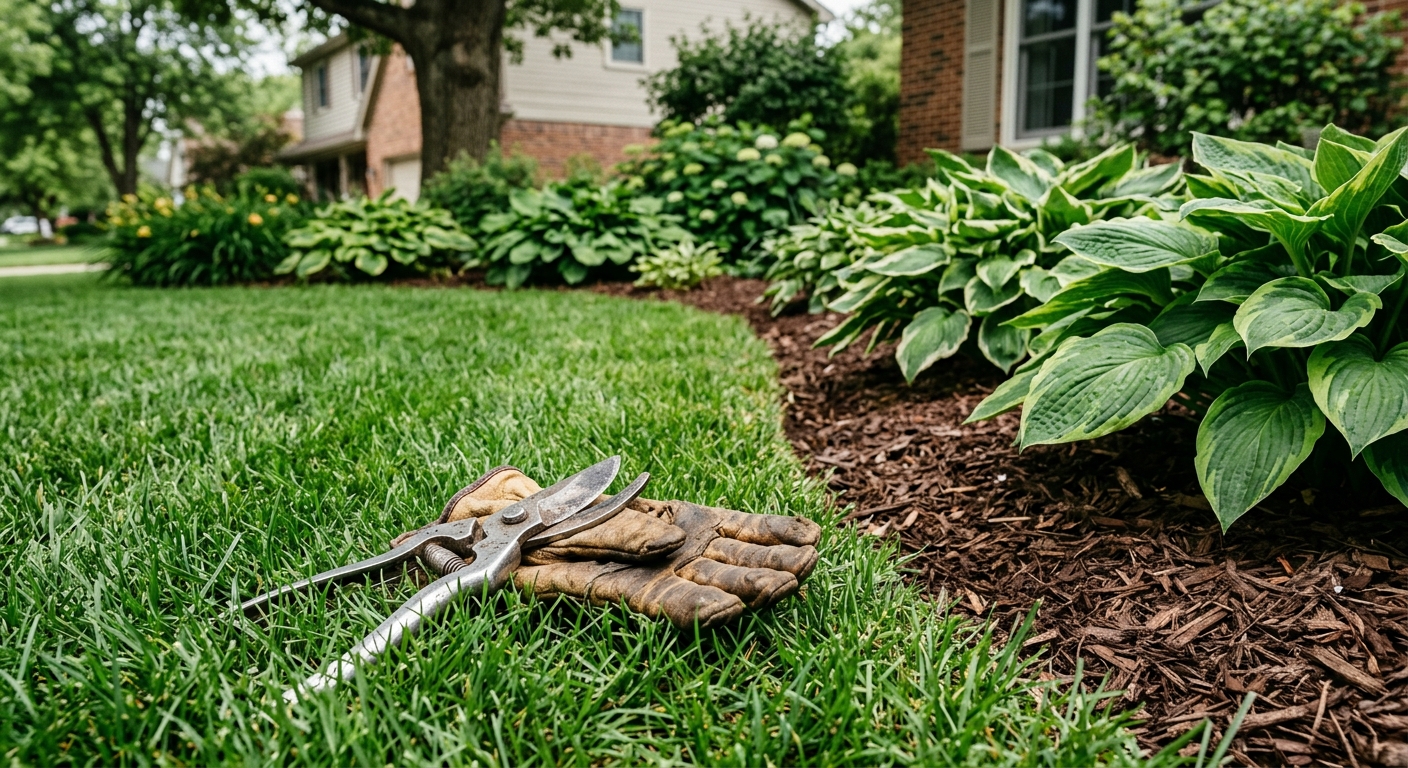
AI-generated illustration; not a photograph of the reported event.
- calendar_today September 6, 2026
Minnesota homeowners are turning to adaptive strategies for yard maintenance, prioritizing natural cues over rigid calendars to achieve healthier, more resilient landscapes year-round.
Responsive Lawn Mowing for Minnesota Climates
With Minnesota’s variable seasons, paying attention to grass growth ensures optimal lawn health. Experts recommend lawn mowing every 5 to 10 days during periods of active growth, tailoring the schedule to weather and soil conditions rather than set dates. Following the “one-third” principle—never removing more than a third of grass height in one session—minimizes stress on the turf and supports stronger root systems.
Essential String Trimming and Lawn Edging
Regular string trimming keeps lawn borders clean and deters weed encroachment, while consistent lawn edging creates tidy boundaries that enhance curb appeal. In Minnesota neighborhoods, these practices contribute to aesthetically pleasing and healthy yards, especially during peak growing seasons.
Prudent Shrub Pruning for Diverse Species
Smart shrub pruning aligns closely with plant flowering cycles. Early-flowering shrubs like lilacs should be pruned right after blooms fade, while species such as hydrangeas benefit from cutting back before new growth appears. Gardeners are encouraged to distinguish between formal and informal shrubs, as each variety responds differently to pruning schedules shaped by observable growth patterns.
Regular Tree Inspections Promote Landscape Safety
Tree inspection is a yearly imperative throughout Minnesota, especially as mature trees may only require selective pruning to maintain structural integrity and safety. Regular checks for dead limbs or disease reduce hazards, supporting both public and private green spaces.
Maintaining Healthy Garden Beds
Frequent care of garden beds prevents invasive weeds and disease outbreaks. By monitoring plant density and soil conditions, residents can adjust cultivation and mulching efforts as needed—a crucial step during Minnesota’s unpredictable growing seasons.
Leaf Management: Ensuring Turf Vitality
In autumn, leaf management becomes a top priority. Accumulated leaves can smother grass, hinder sunlight, and harbor disease. Mulching fallen leaves or removing them helps maintain lawn health, a practice widely adopted across Minnesota to prepare for winter dormancy.
Keeping Patios and Walkways Safe
Due to Minnesota’s wet seasons, patio cleaning and regular upkeep of walkways are critical to prevent slippery moss, algae, and organic debris. Simple actions like frequent sweeping reduce surface hazards and extend the longevity of paved spaces.
Adapting Yard Maintenance to Local Growth Patterns
Homeowners are encouraged to adjust maintenance routines by observing natural yard cues such as grass height, shrub development, and the onset of flowering cycles. This approach ensures tasks are scheduled based on actual plant needs and seasonal shifts, ultimately reducing unnecessary labor and supporting ecosystem health throughout the region.
Conclusion: Responsive Care for Local Gardens
Adopting flexible yard maintenance strategies in Minnesota empowers residents to care for their landscapes efficiently. By responding to the region’s unique cues and growth cycles, communities across the state are cultivating environments that thrive in every season while minimizing wasteful effort.