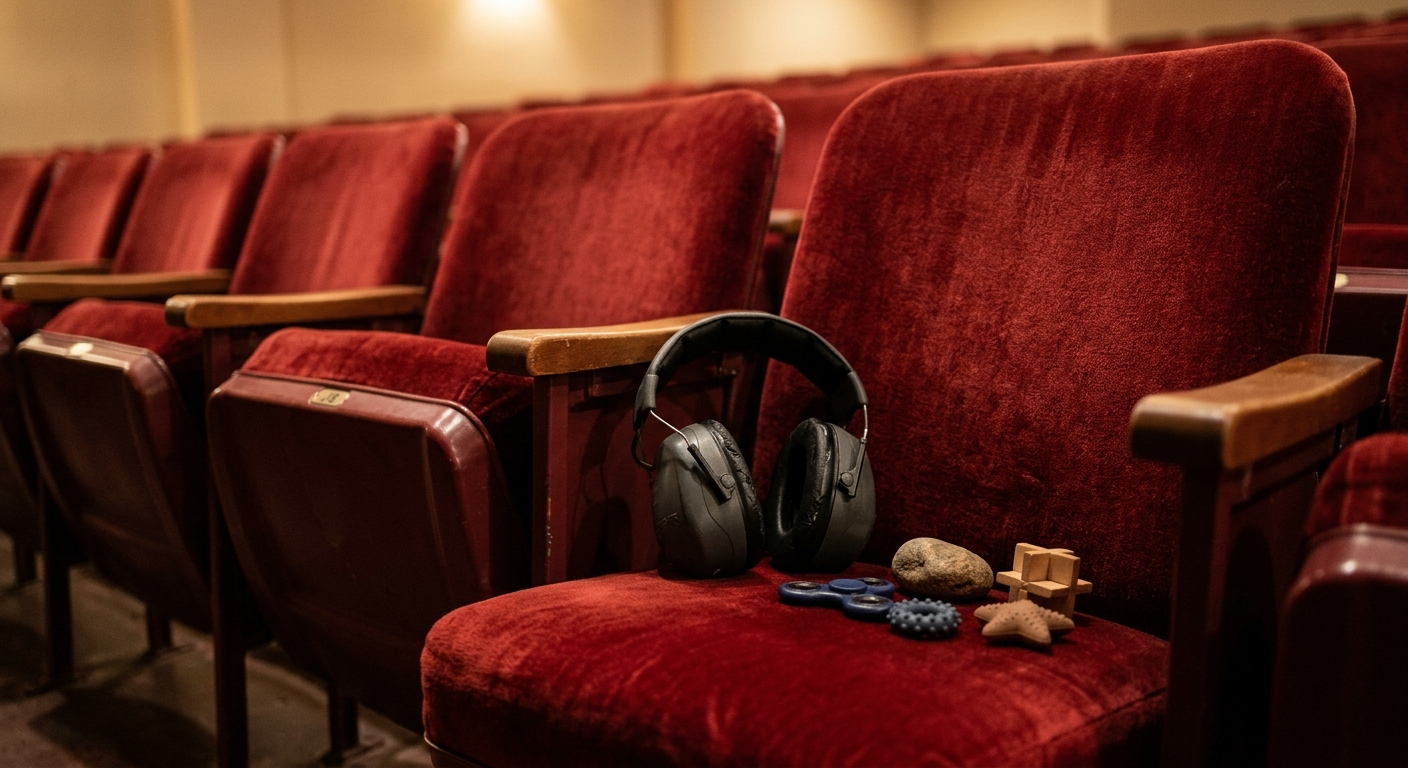
AI-generated illustration; not a photograph of the reported event.
- calendar_today October 10, 2026
Fraser’s Mission: Creating Inclusive Environments for Sensory Differences
Not everyone experiences public spaces in the same way. For individuals with sensory processing differences, environments ranging from bustling shopping malls to bustling theaters can create barriers to participation. Fraser’s Sensory Supports and Training Program addresses these challenges, helping organizations from theaters to airports create more inclusive and accessible spaces for all. Program Manager Gina Brady, an occupational therapist, spoke about the origins, impact, and ongoing evolution of the initiative.
Listening to Families and Building a Nationwide Model
The roots of Fraser’s program began with listening to those most affected. For years, Brady worked directly with individuals and families navigating environments that were often overwhelming due to sensory stimuli. The feedback was clear: while helping individuals adapt is important, making community environments adaptable is equally crucial. Fraser’s response was a commitment to “remove barriers so more people can comfortably participate in everyday experiences.” This approach evolved through collaboration with families and organizations, steadily growing into a nationally recognized model for community inclusion.
Sensory-Friendly Minnesota: Transforming Public Spaces
Sensory-Friendly Minnesota, led by Fraser, is an initiative dedicated to assisting venues in becoming welcoming spaces for people with sensory sensitivities. The organization partners with theaters, sporting venues, hospitals, museums, libraries, and businesses, offering a combination of accessibility training, practical sensory supports, and environmental adaptations. The goal is always to foster inclusive environments where everyone feels like they belong, regardless of sensory needs.
Sensory Kits: Personalized Tools for Comfort
A core part of Fraser’s accessibility toolkit is the availability of sensory kits. These kits might include noise-reducing headphones, fidget tools, sunglasses, visual supports, or weighted lap pads. The aim is personalization: "What helps one person may not help another, so having different options allows people to choose what works best for them," Brady explains. Such tools can mean the difference between leaving early and fully enjoying an event, including sensory friendly theater performances.
Live Theater: Bringing Sensory Friendly Performances to Life
One focus for Fraser has been making live theater accessibility a reality for families who might otherwise avoid it due to potential sensory overload. Sensory friendly performances maintain the integrity of the original production but modify the environment. Adjustments can include lowering sudden loud sounds, softening lighting transitions, keeping house lights slightly brighter, and providing designated quiet spaces for breaks. Comprehensive staff training is central, ensuring ushers and theater staff understand how to support guests with sensory needs. Importantly, guests receive advance communication to help them know what to expect, reducing anxiety and enhancing comfort.
Quiet Spaces and Expanded Audiences
A vital feature of sensory friendly theater is the creation of quiet spaces—areas where individuals or families can take a break if needed. These spaces are equipped with tools and comfortable seating and are essential not only for those with autism, but also for individuals with ADHD, anxiety, PTSD, dementia, traumatic brain injuries, and sensory processing differences. The intention is to give everyone the chance to enjoy community events with greater confidence, minimizing the fear of judgment or exclusion.
Inclusivity Beyond Theater: Benefits for All
While many people associate sensory friendly adaptations primarily with autism, Fraser’s approach recognizes the wider range of beneficiaries. Young children, older adults, and individuals with various disabilities or sensitivities all benefit from more predictable, supportive environments. "When we create environments that are easier to navigate, we often make the experience better for everyone," Brady notes. The welcoming atmosphere has been embraced by performers and staff alike, who value making the arts accessible to new and diverse audiences.
Guidance for Organizations and Future Directions
Fraser encourages organizations, including those with limited resources, to start with small steps such as staff training, simple sensory guides, or quiet spaces. New technologies like digital sensory guides and virtual reality are emerging, but Fraser underscores the ongoing importance of kindness and understanding in fostering true inclusion. The organization continues to share updates and opportunities through its website and social media, with the aim of broadening access to joy, connection, and community life for people with sensory processing differences.
Source: millcitytimes.com.