- calendar_today August 12, 2025
Minnesota’s real estate market in 2025 Steady Growth in a Diverse Market
Minnesota’s real estate scene in 2025 is marked by stability and thoughtful expansion. While Minneapolis-St. Paul continues to lead in market activity, smaller cities and suburban corridors are driving renewed interest from investors seeking sustainable returns.
According to the Minnesota Realtors Association, home sales increased by 3.7% in February, buoyed by rising demand in suburbs such as Eagan, Maple Grove, and Woodbury. Meanwhile, downtown Minneapolis is witnessing a gradual resurgence, with several mixed-use projects adding new residential units and retail space.
Mortgage rates hovering near 6% combined with a cooling inflation rate of 2.8% are fostering a more deliberate investment climate—one where buyers weigh quality and location over rapid acquisition.
Build-to-Rent Communities Expand Beyond Twin Cities
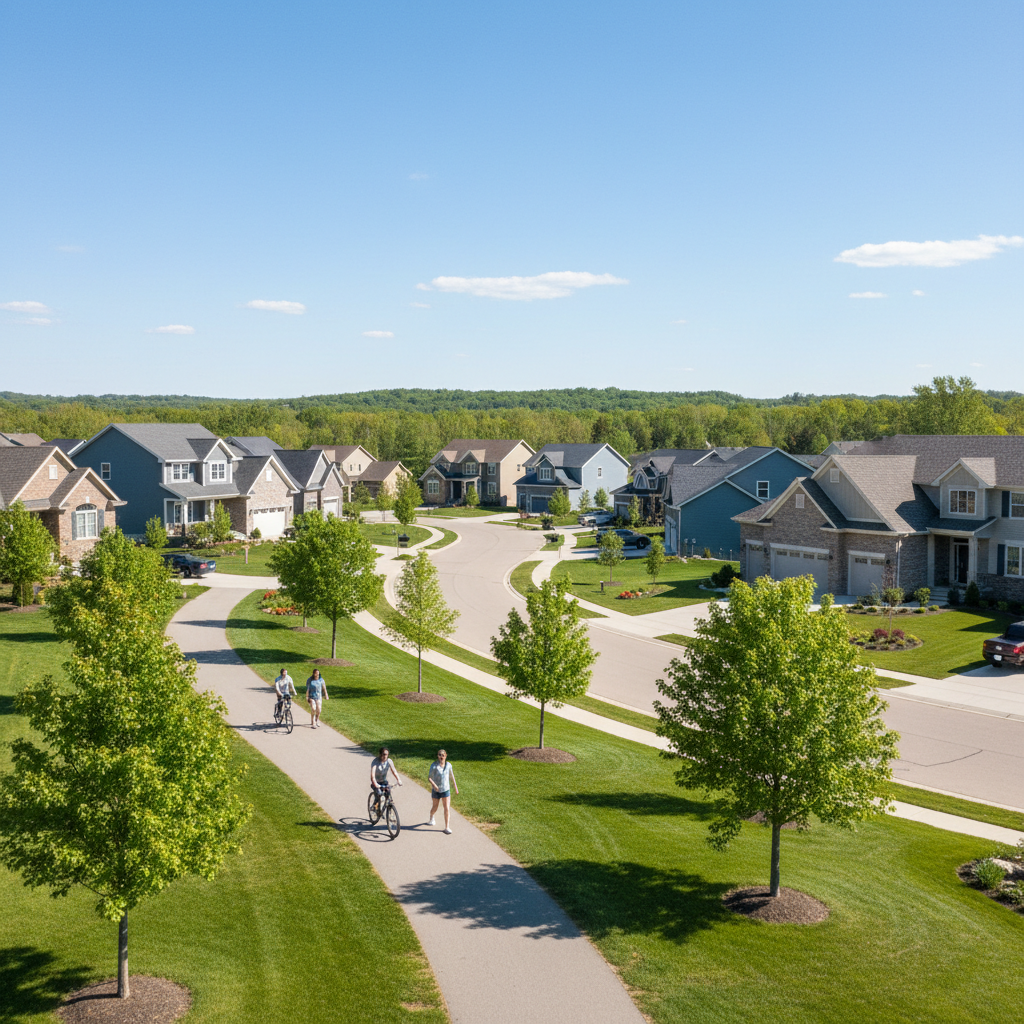
The build-to-rent (BTR) trend, growing nationally, is gaining momentum in Minnesota’s expanding suburbs and smaller cities. Communities like Blaine, Coon Rapids, and Lakeville have seen new rental neighborhoods featuring single-family homes designed specifically for renters.
Developers report strong lease-up rates, attributing demand to millennials and Gen Z renters who value space, amenities, and the flexibility that renting affords. A project in Burnsville offers detached rental homes with community gardens, walking trails, and proximity to schools—appealing to families and professionals alike.
A local developer remarked, “Minnesota’s rental market is evolving. We’re creating neighborhoods that combine the comforts of homeownership with the ease of renting, meeting the needs of today’s residents.”
Suburban and Secondary Markets Gain Investor Attention
Beyond the metropolitan core, cities such as Duluth, Rochester, and St. Cloud are drawing growing investor interest. Duluth, with its port access and natural beauty, is seeing residential redevelopment near the waterfront, attracting tenants seeking a blend of urban and outdoor lifestyles.
Rochester’s housing market, fueled by the Mayo Clinic’s global draw, remains tight, with investor activity concentrated in multifamily units and townhomes catering to healthcare professionals and students.
St. Cloud is benefiting from affordable housing initiatives and a steady influx of young families and first-time buyers. Real estate brokers note an uptick in demand for duplexes and triplexes in walkable neighborhoods close to the city center.
Mortgage Rates and Affordability Create a Measured Outlook
Minnesota’s housing affordability remains a mixed bag. While the Twin Cities metro area has seen prices rise steadily over the past decade, many outlying suburbs and smaller cities offer more accessible entry points.
At current mortgage rates of around 6%, monthly payments for median-priced homes in suburban areas remain within reach for many middle-income households. This dynamic supports a healthy rental market, especially in neighborhoods where wages are growing alongside job opportunities in sectors like healthcare, education, and manufacturing.
Investors in Minnesota are increasingly focusing on long-term hold strategies, aiming for stable cash flow and neighborhood revitalization over quick flips or speculative development.
Commercial Real Estate Adapts with Innovation
Minnesota’s commercial real estate market is evolving to meet changing tenant demands. Minneapolis office spaces face challenges similar to other urban centers, with vacancy rates lingering near 18%. However, many landlords are repositioning properties to cater to tech startups, creative firms, and hybrid work environments.
The industrial sector remains strong, particularly in Rochester and Maple Grove, where distribution centers and manufacturing facilities are expanding in response to e-commerce growth and supply chain realignments.
Retail real estate in Minnesota is also shifting. Shopping centers in suburbs like Edina and Bloomington are incorporating experiential retail, wellness centers, and dining options to draw foot traffic back from online alternatives.
REITs and Indirect Real Estate Investment
For those preferring passive exposure, REITs and real estate ETFs focusing on multifamily and industrial assets continue to perform well in Minnesota’s markets. The Vanguard Real Estate ETF (VNQ) and iShares U.S. Real Estate ETF (IYR) hold significant properties in the state’s logistics hubs and residential developments.
Local real estate funds are emerging, offering portfolios centered on affordable housing projects and transit-oriented developments around the Twin Cities. These vehicles provide investors with opportunities to diversify without the complexities of direct ownership.
What to Watch for the Remainder of 2025
Key factors likely to influence Minnesota’s real estate scene include:
- State-level housing policies aimed at increasing affordable units and easing zoning restrictions in growing suburbs.
- Infrastructure investments tied to the expansion of transit systems and broadband access in rural counties.
- Climate adaptation efforts, particularly in flood-prone areas along the Mississippi River and Lake Superior shoreline.
- Demographic shifts, including an aging population driving demand for senior living options in communities like Rochester and Apple Valley.
A local urban planner in St. Paul noted, “Minnesota’s market won’t see wild swings, but it’s poised for steady growth. Investors who understand the regional nuances will find strong, sustainable opportunities.”
With its diverse economy, stable governance, and quality of life, Minnesota remains a compelling market for real estate investors focused on consistency and long-term growth.
For ongoing updates on Minnesota real estate trends, investment opportunities, and policy changes, subscribe to the North Star Market Report.