- calendar_today August 28, 2025
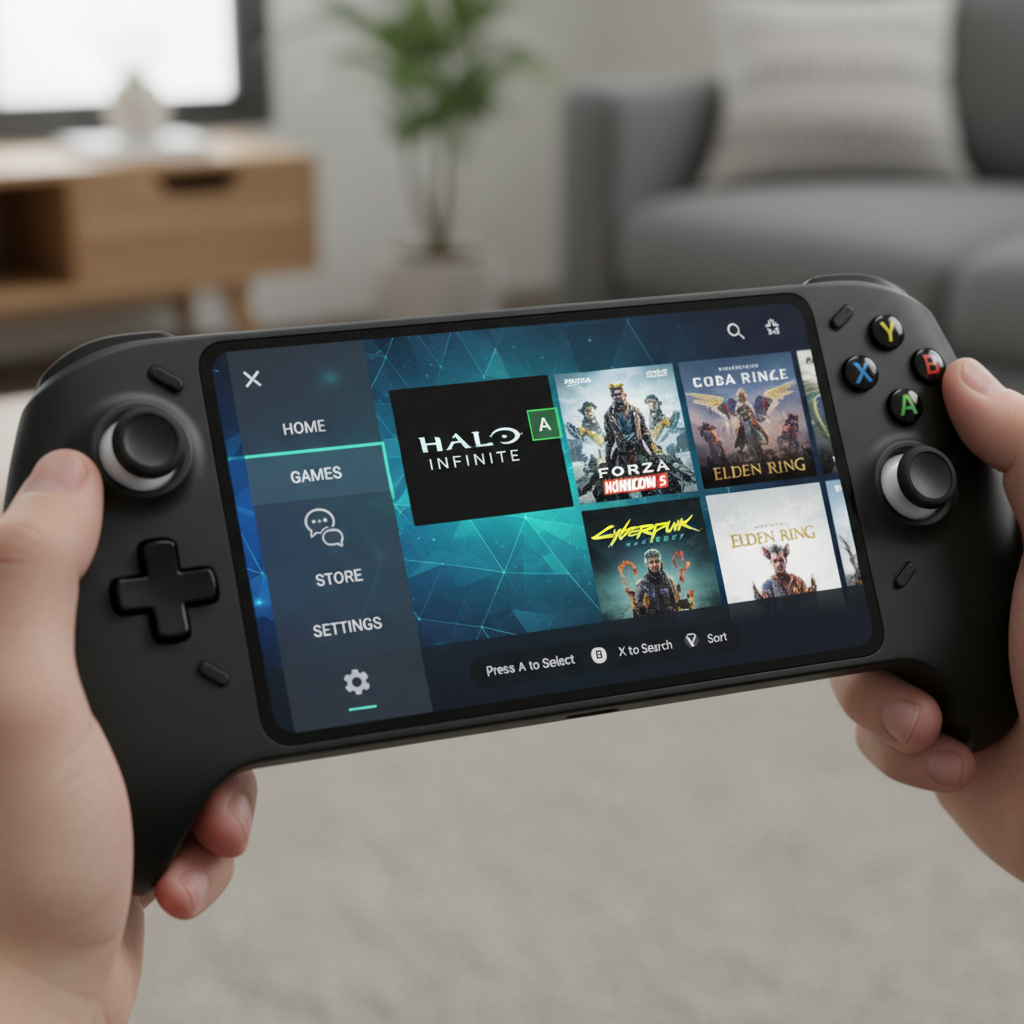
Microsoft enters the handheld gaming market with a bold move by introducing a new Xbox-branded UI designed exclusively for portable gaming devices such as the ROG Xbox Ally. The new user interface works to solve persistent problems that Windows operating systems face when operating on handheld PCs.
The Steam Deck and SteamOS from Valve stayed in the spotlight for some time. The Steam Deck demonstrates significant consumer interest in handheld gaming platforms that operate without Windows even though it depends on Proton for most Windows games and only runs several titles natively. Proton continues to enhance its performance consistently, yet SteamOS remains unable to fully replace Windows despite allowing other game store installations.
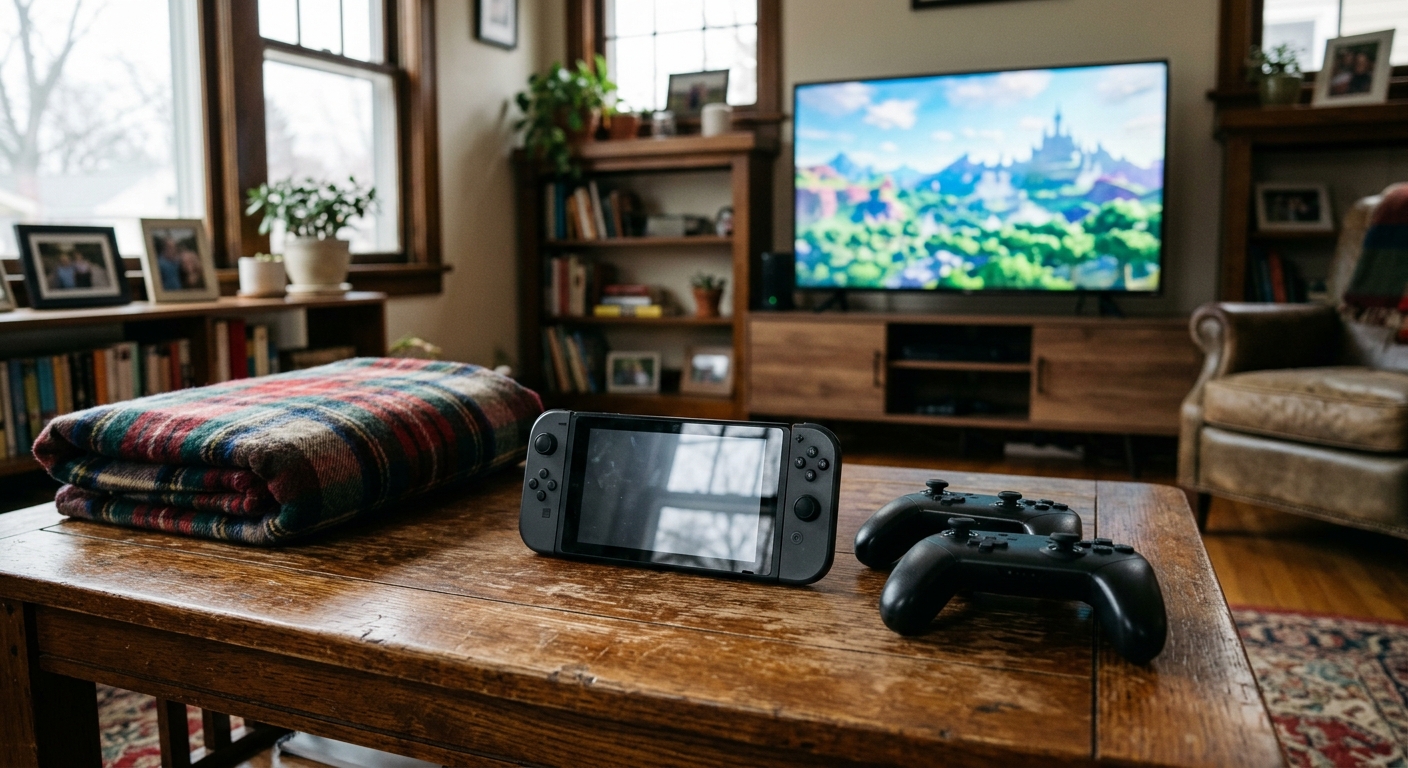
Now, Microsoft and Asus are joining forces to provide something better: Microsoft and Asus have created a complete handheld gaming platform using Windows as its base while integrating a unique Xbox-style UI. Users will see the ROG Xbox Ally launch with a fresh interface that swaps out Windows’ standard desktop for a controller-friendly full-screen tile-based system reminiscent of Xbox consoles and the Nintendo Switch.
Microsoft has informed The Verge that the new interface will soon be available on additional Ally handheld devices and will expand to other Windows handhelds beginning next year. Microsoft’s 2022 proposal for a “Windows Handheld Mode” remains an unknown origin point for this effort yet the concepts show strong alignment. The first pitch pinpointed Windows’ inadequate controller support along with its cumbersome touchscreen interface and substantial resource demands as primary issues for handheld devices.
A Streamlined and Resource-Friendly Experience
The biggest technical benefit of the new Xbox UI stems from its lightweight design. The ROG Xbox Ally system removes the standard desktop-and-taskbar interface entirely. Microsoft reports that this modification results in saving several gigabytes of RAM while reducing overall system resource consumption which benefits battery-powered devices that need high efficiency.
The earlier ROG Ally and other similar Windows-powered handheld devices required users to manage the complete Windows system overhead in addition to supplementary software such as Asus’ Armoury Crate which facilitated compatibility between desktop Windows functionality and gaming handheld requirements. The additional features created complexity which reduced system performance. The new Xbox UI reduces the number of unnecessary layers for improved performance.
Microsoft continues to support the Windows desktop environment alongside its new Xbox UI. The Windows desktop remains accessible but now requires manual activation. This gives gamers the best of both worlds: Players can enjoy a streamlined console-like interface for casual gaming alongside Windows capabilities when required.
Catching Up After a Slow Start
Microsoft’s timing, however, is noteworthy. The company took its time to respond to the Steam Deck’s increasing popularity. People initially questioned the potential success of Valve’s unfinished hardware design. The Steam Deck developed over time alongside its operating system SteamOS which also experienced growth. Non-Steam Deck devices now support Valve’s OS and it includes integration with some ROG hardware from Asus.
Linux gaming now stands as a valid option to Windows thanks to the support from Proton and Wine. Users can play many Windows games through these tools without needing to install Windows. Microsoft faces expanding threats to its historical PC market dominance where its compatibility edge was a key selling point.
Linux desktop market share reached over 4% during the previous year which stands as a minor yet meaningful achievement. It indicates a slow but real shift. The primary operating system for PCs remained Windows because nothing failed to operate properly on it. The dominance of Windows weakens as SteamOS and similar alternatives demonstrate increased functionality.
The new Xbox UI represents Microsoft’s explicit effort to re-establish its presence within the handheld market. The company aims to win back gamers who have moved to Linux-based alternatives by developing a power-efficient interface that rivals the Steam Deck in usability.
The issue at hand is whether Microsoft’s new strategy will prove sufficient and if gamers will provide Microsoft with another opportunity to reclaim its position in the market it once ignored.