- calendar_today August 20, 2025
Minnesota is steadily integrating clean energy and electric vehicle (EV) infrastructure into its broader economy. With state-led climate policies, growing EV charging corridors, and manufacturing interests in the Twin Cities and Greater Minnesota, local investors are increasingly focused on opportunities tied to the EV transition. Among them is Fisker Inc.—a company once touted as a game-changer, now navigating a challenging production and financial path.
For Minnesota-based investors—especially those with exposure to tech, energy, and sustainable portfolios—the outlook for Fisker through 2030 offers both risks and possible long-term rewards.
A 2025 Crossroads for Fisker
Fisker (NYSE: FSR) entered 2025 with slowed momentum. Although its Ocean SUV earned initial praise for sustainability and innovation, the company suffered from delivery delays and supply chain hurdles. These setbacks brought its market cap down to under $1.3 billion, dramatically lower than its 2021 peak north of $7 billion.
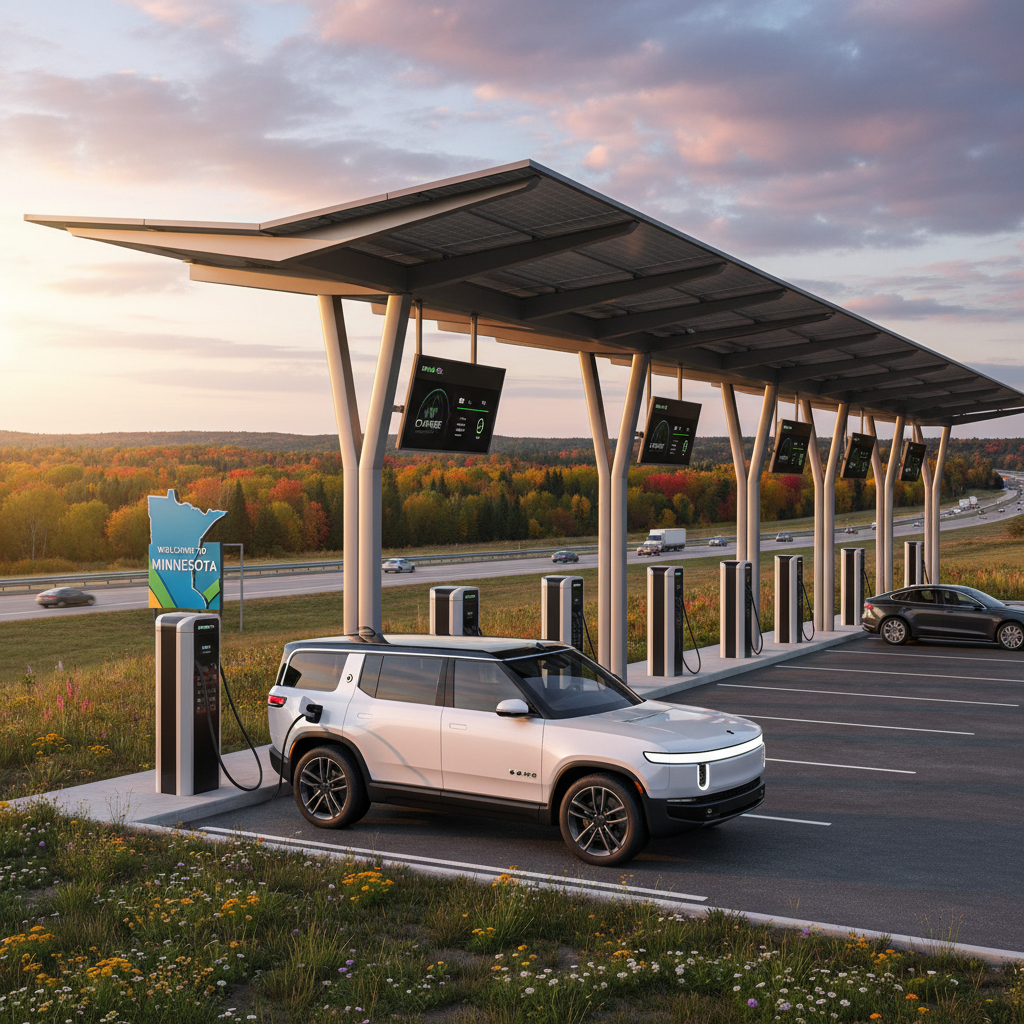
Minnesota’s forward-leaning clean energy stance—including Xcel Energy’s green transition and growing investments in EV infrastructure along I-94 and Highway 61—provides an emerging backdrop for Fisker’s appeal. Investors in Minneapolis, Rochester, and Duluth are watching the company’s next moves closely, as Fisker looks to scale Ocean production and introduce the budget-friendly Pear model by 2026.
Forecasting Fisker’s 2030 Price Path
Fisker’s 2030 stock performance remains speculative, but three primary analyst-driven scenarios dominate projections:
Bull Case: If Fisker meets its production targets and introduces the Pear and Alaska models effectively, annual vehicle sales could top 200,000. This volume might generate $6–$8 billion in revenue and push the stock into the $25–$30 range. For investors in Minnesota’s clean energy or sustainability sectors, this scenario aligns with the broader green growth trend.
Base Case: A middle-ground outlook suggests 75,000 to 100,000 units sold annually, bringing in $3–$4 billion and yielding a stock value of $8–$12. For Minnesota portfolios focused on measured exposure to innovation-driven companies, this presents a reasonable speculative position.
Bear Case: If production falters further and cash flow remains constrained, Fisker’s stock may stagnate between $3–$5, less appealing for conservative investors seeking stability, which remains a priority for many in Minnesota’s retirement-heavy regions.
Industry Context: Competition, Domestic Production, and Federal Policy
Fisker faces stiff headwinds from better-capitalized EV producers like Tesla, GM, and Ford—all of which benefit from domestic manufacturing infrastructure and Inflation Reduction Act tax incentives. Fisker, which outsources production to Austria’s Magna Steyr, is at a disadvantage in qualifying for those credits, important for consumers in a cost-conscious state like Minnesota.
To improve its footing, Fisker may need to pursue North American manufacturing partnerships. Should the company collaborate with U.S.-based suppliers or EV assemblers—potentially in clean tech-active regions like Minnesota—it would better align with domestic policy and regional economic incentives.
Investor Sentiment and Minnesota’s Investment Climate
After underperformance in early 2025, institutional support for Fisker waned. However, interest from ESG-focused investors and younger tech-savvy Minnesotans—especially those tied to research hubs like the University of Minnesota or tech incubators in the Twin Cities—has not disappeared entirely.
To regain broader investor confidence in the state, Fisker will need to deliver consistent progress: an operational rebound, the timely Pear launch, and signs of U.S. manufacturing intent. These actions could reposition the company in the eyes of Minnesotans, favoring green innovation with Midwestern pragmatism.
Looking Ahead: The Road to 2030
Minnesota’s investment in EV charging networks, renewable energy, and clean transportation grants is fostering a supportive environment for EV-related equities. While the state isn’t home to major EV production yet, its research institutions, clean tech workforce, and climate legislation continue to build momentum.
For Minnesota investors, Fisker remains a high-risk, high-reward proposition. Its vision for sustainable mobility aligns with state values, but success will hinge on whether it can control costs, scale production, and shift operations toward U.S.-based facilities.
In the years ahead, the company must prove it’s more than a bold concept—it must deliver at scale and build lasting partnerships that support its growth. For Minnesota investors willing to weather volatility in pursuit of long-term green sector gains, Fisker may still hold promise.