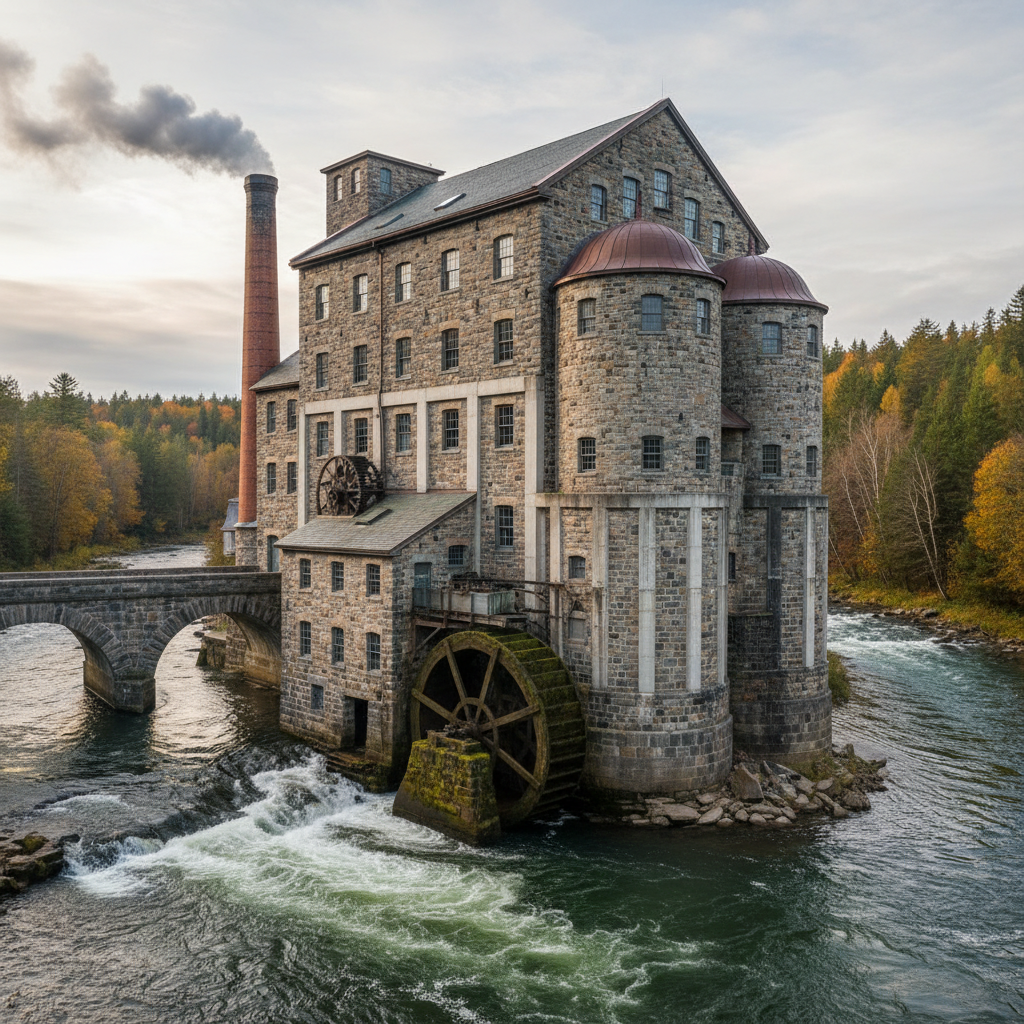
AI-generated illustration; not a photograph of the reported event.
- calendar_today May 18, 2026
MINNESOTA – Mill City is more than a nickname for Minneapolis; it is a testament to the region’s profound impact on flour milling and industrial history. As chronicled in Dr. Robert Frame III’s latest book, “Making Mill City: Flour and Fortune in Minneapolis,” the rise of flour production along the Mississippi River forever shaped Minnesota’s economic and cultural landscape.
The Flourishing of Minneapolis Mills
In the late 19th and early 20th centuries, Minneapolis quickly became synonymous with large-scale flour milling, home to international icons such as Washburn A Mill and Pillsbury A Mill. These minneapolis mills harnessed the power of St. Anthony Falls, turning locally harvested hard spring wheat into world-class flour. By the early 1900s, the city was recognized as a hub of flour production, dominating global exports and building the foundation for its enduring moniker: mill city.
Mill Technology and Innovation
Key advances in mill technology set Minnesota’s mills apart from competitors nationwide. Notably, the introduction of the middlings purifier in the 1870s allowed millers to separate wheat middlings more effectively, removing impurities and boosting yield. Soon after, the shift from traditional stone grinding to the modern roller mill advanced efficiency and product quality. Together, these innovations put Minneapolis—and by extension, Minnesota—at the heart of the global milling industry during its heyday.
Unsung Contributors: Mill Workers and Engineers
While industry moguls like Washburn and Pillsbury are frequently credited with the city’s ascent, Dr. Frame’s research highlights the essential role of mill workers, engineers, and millwrights. These practical experts propelled innovation from within the mills, refining machinery and processes to achieve unprecedented productivity. Their technical expertise and adaptability not only transformed the workspace but ensured Minnesota’s mills remained at the forefront of industrial progress.
Life Inside the Mills
Daily life in the mills was marked by high productivity but also significant risk. Workers navigated complex machinery and faced difficult conditions—exposure to flour dust, deafening noise, and potential accidents. Despite these hazards, their skill and diligence kept the mills running, fueling both local economies and national markets. Their contributions remain a vital piece of Minnesota’s industrial history.
Cultural and Architectural Impact
The influence of flour milling extended well beyond industry. The architectural grandeur of historic mill complexes became defining features of the Minneapolis skyline, while the city’s growth around these sites shaped neighborhoods and community life. The mills at St. Anthony Falls not only powered economic expansion but spurred a cultural identity rooted in innovation and work ethic—a legacy still valued in the region today.
Preserving the Mill City Heritage
As the era of large-scale flour production waned, so too did many of the original mill sites. However, efforts led by historians like Dr. Frame and local preservationists succeeded in saving several landmark structures. The transformation of former mills into museums and public spaces stands as a testament to the ongoing commitment to historic preservation in Minnesota. These sites invite residents and visitors alike to appreciate the ingenuity that built the mill city reputation and to reflect on the stories of those who powered its rise.
A Legacy for Future Generations
Today, Minnesota’s commitment to preserving its industrial history continues to foster community identity and education. By safeguarding the architectural and technological achievements of the past—the roller mill, middlings purifier, and other breakthroughs—the state ensures that the lessons of the mill city era remain accessible and relevant. This legacy, rooted in technology, resourcefulness, and hard work, continues to inspire both locals and newcomers across the region.